
Beef can be the centerpiece of a fast weeknight meal, a comforting one-pot dinner, or an impressive dish for guests. The trick is matching the recipe to the time you have and the cut of beef you buy. Thin steaks benefit from quick, high heat, while tougher cuts become tender when cooked slowly with moisture.
If you are looking for easy beef dinner ideas, start with the style of meal you want: something grilled and fresh, a hearty stew, a roast for sharing, or a richly spiced dish to serve with rice. These eight ideas cover different cooking methods and occasions, so you can choose a dinner that fits your schedule instead of forcing every cut into the same recipe.
1. Make a Quick Grilled Steak Dinner
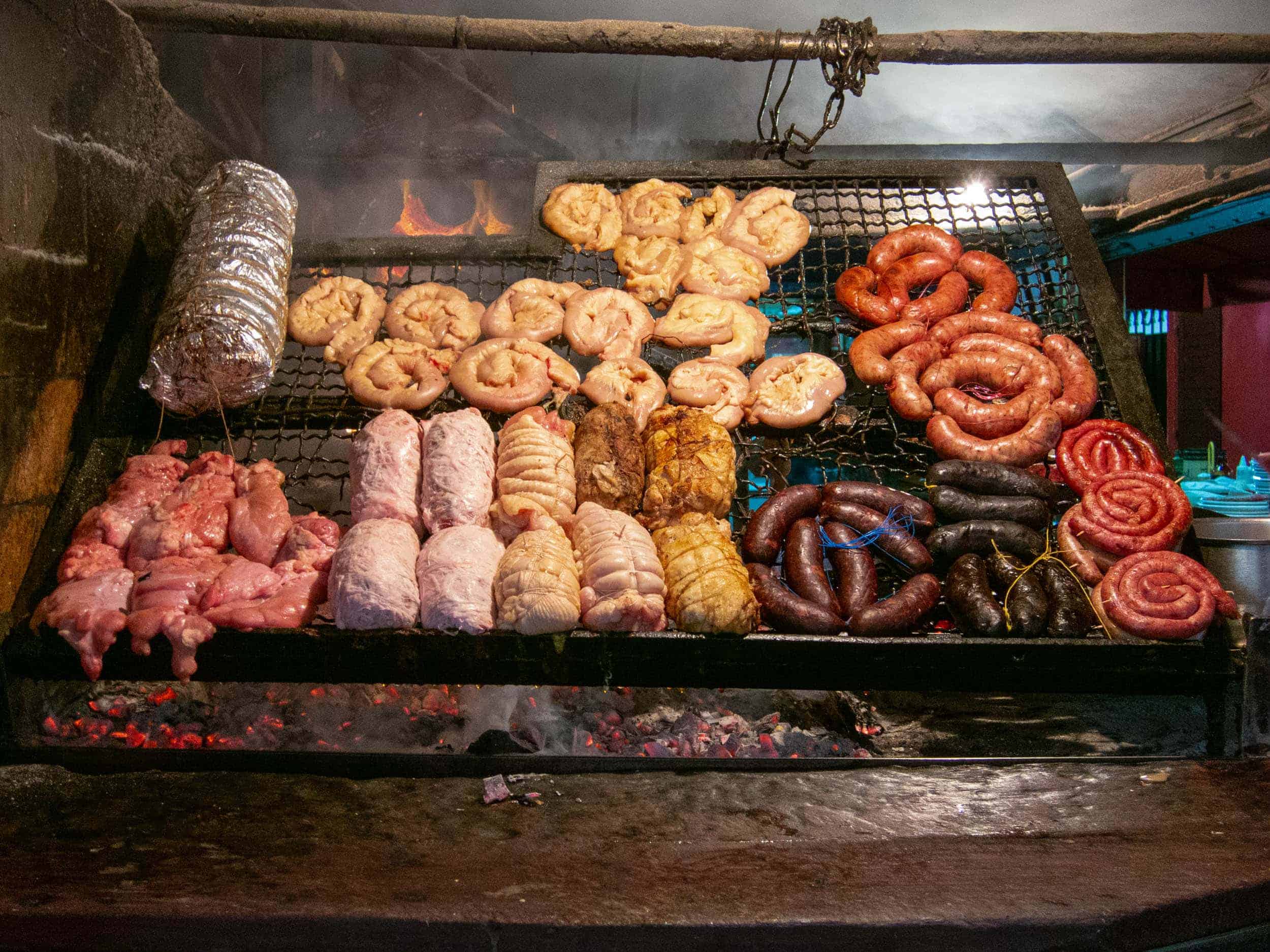
When time is short, a steak cooked over high heat is one of the simplest ways to put beef on the table. Skirt steak, flank steak, and sirloin are useful options, depending on availability and budget. Pat the meat dry, season it well, and let the cooking surface get properly hot before the beef goes in.
Avoid moving the steak constantly. Let it develop a browned crust, turn it once or as needed, and use a thermometer rather than guessing when it is done. After cooking, rest the steak before slicing. Cut across the grain to shorten the muscle fibers and make each bite easier to chew.
For a smoky, South American-inspired version, try the Uruguayan asado recipe, which focuses on skirt steak cooked over charcoal and wood smoke. Serve it with a crisp salad, grilled vegetables, or potatoes for a meal that feels generous without requiring a complicated sauce.
2. Cook a Comforting Beef Stew

Beef stew is ideal when you want dinner to cook mostly on its own. Chuck and other well-worked cuts contain connective tissue that gradually softens during a long, gentle braise. The result is tender beef and a broth with more body than a quick pan sauce can provide.
For the best flavor, brown the beef in batches rather than crowding the pot. Add aromatics such as onion, garlic, and celery, then deglaze the pan with stock or another suitable cooking liquid. Keep the stew at a gentle simmer: a hard boil can make the meat tough before the connective tissue has time to soften.
A traditional option is the beef dumpling stew, a British-style dish with vegetables, a rich broth, and dumplings. It works especially well on a cool evening, when a bowl of something hearty is more appealing than a quick salad.
3. Plan a Sunday Roast with Beef and Vegetables

A roast is less complicated than it looks when you plan around the size and shape of the joint. Choose a cut suited to roasting, season it ahead if possible, and use a thermometer to judge doneness. Resting the meat after it leaves the oven helps the juices settle before carving.
Use the roasting time to prepare the rest of the meal. Potatoes can roast in the beef drippings, while carrots, green beans, or broccoli bring freshness and color. Gravy made from the browned bits in the roasting pan ties the plate together.
For a classic British meal, see the beef Sunday roast recipe. It is a useful starting point for anyone who wants the familiar combination of roast beef, vegetables, potatoes, and Yorkshire puddings.
4. Try a Slow-Cooked Beef Brisket
Brisket rewards patience. Because it comes from a heavily used part of the animal, it is generally better suited to low, slow cooking than to a quick sear. A covered pot or roasting pan helps retain moisture while the connective tissue gradually breaks down.
Season the brisket generously, brown it if your recipe calls for that extra layer of flavor, and add enough liquid to support the braise without completely drowning the meat. Cook until it is tender when pierced, not merely until a timer goes off. The exact time depends on the cut's size, thickness, and your oven.
The beef brisket pot roast recipe is a good fit for a family dinner or a make-ahead meal. Leftovers can be sliced or shredded and served in sandwiches, over mashed potatoes, or alongside roasted vegetables.
5. Make Beef Rendang for a Deeply Spiced Dinner
For a beef dish with a different flavor profile, look beyond the usual roast and stew. Beef rendang from West Sumatra combines beef with coconut milk, chilies, and a fragrant spice paste. It is cooked slowly until the liquid reduces and the spices cling to the meat.
This is not a quick curry where the sauce stays loose. The gradual reduction is central to rendang's deep flavor and dark, concentrated finish. Use a cut such as chuck that can withstand a long cook, and give the dish time rather than turning up the heat to rush it.
Follow the detailed beef rendang recipe for a method that braises the beef before finishing the reduction on the stove. Serve it with plain rice and a fresh or lightly blanched vegetable side to balance the richness.
6. Serve Beef Wellington for a Special Occasion
Beef Wellington is a showpiece dish, but its main challenge is managing moisture. Beef fillet is wrapped with a mushroom mixture and pastry, so the filling needs to be cool and the mushrooms must be cooked until their excess moisture has evaporated. Otherwise, steam can soften the pastry from the inside.
Sear the beef to build flavor, allow it to cool before wrapping, and chill the assembled Wellington if the recipe recommends it. Use a thermometer to check the center rather than relying only on pastry color. Let it rest briefly before slicing so the layers stay neat.
For step-by-step guidance, use Beef Wellington recipe. Pair it with simple vegetables and a sauce that complements the beef without competing with the mushroom filling.
7. Turn Leftovers into a Second Meal
Leftover beef can make the next day's dinner easier, provided it is stored safely and reheated properly. Slice leftover roast beef thinly for sandwiches, add chopped beef to a vegetable fried rice, or fold shredded braised beef into a wrap with crunchy greens and a tangy dressing.
Keep cooked beef refrigerated promptly in a shallow, covered container. As a general food-safety guideline, refrigerate perishable leftovers within two hours, use refrigerated leftovers within three to four days, and reheat them to 165°F (74°C). Follow local food-safety guidance and any recipe-specific instructions.
For the best texture, add leftover beef near the end of a stir-fry or fried-rice cooking process. That warms the meat without subjecting it to unnecessary extra cooking.
8. Choose the Right Cut Before You Start
The simplest way to improve a beef dinner is to choose a cut that suits the cooking method.
- For quick grilling or pan-searing: Look for tender cuts such as sirloin, strip steak, or fillet. Cook over relatively high heat and avoid prolonged cooking.
- For stews and braises: Chuck and brisket are often good choices because slow cooking softens their connective tissue.
- For roasting: Choose a joint intended for roasting, and use its shape and weight to guide the cooking plan.
- For thinly sliced dishes: Slice across the grain, and avoid overcooking lean pieces that can dry out quickly.
Price, availability, and local butchery names vary by country, so ask your butcher which cut is best for grilling, roasting, or slow cooking. A suitable, affordable cut usually produces a better result than an expensive cut prepared with the wrong technique.
How to Build a Balanced Beef Dinner
Beef brings savory flavor and protein to a meal, but the sides determine how balanced and satisfying the whole plate feels. Add vegetables for color and fiber, choose a starch that suits the sauce, and use bright flavors such as lemon, vinegar, mustard, or fresh herbs to offset richer dishes.
For a practical weekly plan, alternate cooking methods. Make grilled steak on a busy evening, stew or brisket when you have time for a longer cook, and reserve Beef Wellington or a Sunday roast for a meal worth sharing. You can explore more ideas in the beef recipes collection.
The best beef dinner is not necessarily the most elaborate one. It is the one that matches the cut, the cooking method, and the time available, with enough contrast on the plate to make every bite work.
Frequently Asked Questions
What is the easiest beef dinner for a weeknight?
A quick grilled or pan-seared steak is one of the easiest options because it cooks quickly and needs little more than seasoning and a suitable hot pan. Serve it with vegetables and potatoes, rice, or a salad.
Which cut of beef is best for slow cooking?
Chuck and brisket are common choices for slow cooking because their connective tissue softens over time, helping the meat become tender. Cook them gently until they are fork-tender rather than relying on time alone.
How do you keep beef from becoming tough?
Match the cut to the cooking method. Tender cuts usually suit quick cooking, while tougher cuts benefit from slow, moist cooking. For steak, avoid overcooking and slice across the grain after resting.
Can cooked beef be prepared ahead of time?
Yes. Cooked beef can be made ahead and refrigerated promptly in a covered, shallow container. Use refrigerated leftovers within three to four days, and reheat leftovers to 165°F (74°C). For the best texture, avoid repeatedly reheating the same portion.
What should you serve with beef?
Vegetables and a starch make a reliable starting point. Try roasted potatoes and greens with roast beef, crusty bread with stew, plain rice with rendang, or a crisp salad with grilled steak. Acidic or fresh elements can help balance richer dishes.