
Most first-time visitors need four to five days in Tokyo. Three days covers the core: the old east side, the young west side and the business districts in the middle. Five days adds one slower neighborhood and a first day trip. Seven days fits a second day trip without a rushed morning.
The number matters less than the order. Tokyo's sights cluster along train lines, and a badly ordered day can lose two hours underground. This plan groups every day by line, and it names the closing days that quietly break a schedule.
The Tokyo Trip Guide, an independent English-language guide by people who live in the city and ride these lines. Fares, hours and closing days below were checked in October 2026, and each section links to the full guide behind it.
Here is the short version of how many days each kind of trip needs.
| Trip length | What fits | Day trips | Best for |
|---|---|---|---|
| 3 days | East, west and central Tokyo, one area per day | None | A long weekend or a short stopover |
| 5 days | The three core days, one slower neighborhood day and one day trip | One | A first visit at an easy pace |
| 7 days | Five days in the city, a second day trip and a bay or theme-park day | Two | A relaxed first visit or a second trip |
| 10 days | Seven days plus more day trips and the quieter western neighborhoods | Three to four | Repeat visitors and slow travelers |
The rest of this guide explains why those numbers hold, then gives you the days.
What Decides How Many Days You Need in Tokyo?

Three things set the number: how many neighborhoods you want to see, how far the trains carry you between them, and which sights are closed on the day you arrive.
Neighborhoods come first. Tokyo is a set of centers, not one center. The guide to the 26 Tokyo neighborhoods sorts them into five regions: Central, Eastern, Northern, Southern and Western Tokyo. Each one deserves half a day to a full day. Twelve of them have a station on the JR Yamanote Line, so a hop between them is usually one train with no change.
Day trips are the second multiplier. Every one costs a full day, and the long ones cost more than they look. The train to Nikko alone takes about 1 hour 50 minutes each way. Treat a day trip as its own day, not a bonus half day.
Closing days are the third. Monday is the weakest day in Tokyo, because the Tokyo National Museum, Ueno Zoo and several free museums close, and the Imperial Palace East Gardens close on both Mondays and Fridays. The list of free things to do in Tokyo and the days they close shows which sights stay open on which weekday. Read it before you fix your calendar.
Which Tokyo Neighborhood Should You Use as a Base?

Pick one hotel and keep it. A trip of a week or less does not repay a hotel change, and Tokyo's trains make a single base easy.
Shinjuku and Shibuya are the simplest bases for a first visit. Both sit on the Yamanote Line, and Narita Express trains run to both. Choose Ueno if you land at Narita and want the Keisei Skyliner, which reaches Keisei Ueno in as little as 41 minutes. Choose Shinagawa if you fly from Haneda, because Keikyu trains reach Terminals 1 and 2 in 14 minutes. The Tokyo neighborhoods guide compares each base by lines, airport trains and the catch, and the cheapest and fastest routes from Narita and Haneda can settle the question for you.
Once you have a base, plan each day around two or three neighborhoods on one line. Asakusa and Ueno are three stops apart on the Ginza Line. Shinjuku, Harajuku and Shibuya are within seven minutes of each other on the Yamanote Line. Ginza, Yurakucho and Marunouchi sit side by side around Tokyo Station. The three-day plan below follows exactly those clusters.
Is 3 Days Enough in Tokyo?
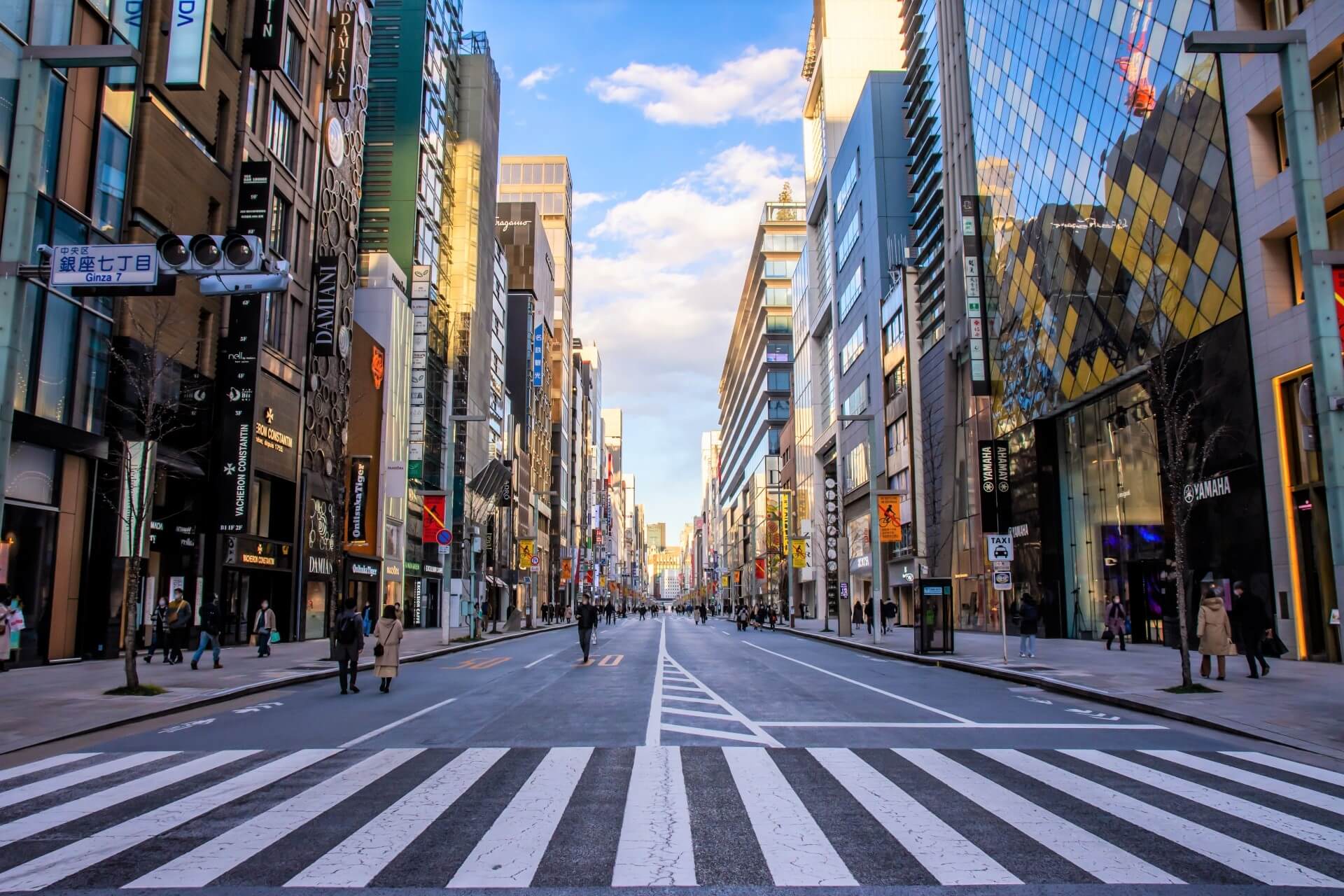
Three days is enough to see the core of Tokyo, and it is the minimum we would plan for a first visit. It leaves no room for a day trip or a slow morning, so each day gets one region and a firm end time.
Day 1: Asakusa, Ueno and Akihabara
Start at Senso-ji in Asakusa as early as you can. The grounds are free, the main hall opens at 06:00 from April to September and at 06:30 from October to March, and the Nakamise lanes are quiet before 09:00. Ride the Ginza Line three stops to Ueno, where the park is free from 05:00 to 23:00. The museums and the zoo inside it close on Mondays, so a Monday here is a walk, not a museum day.
Stroll south through the Ameyoko market street, then take the Yamanote Line to Akihabara. It is the better stop on a Sunday afternoon, when Chuo-dori closes to cars, weather permitting.
Day 2: Harajuku and Shibuya
Spend day two in the west. Begin at Meiji Jingu, the free forest shrine beside JR Harajuku Station, where the walk to the main hall takes about 10 minutes from any entrance. Takeshita Street sits directly across the road from the station, and it is pedestrian-only from 11:00 to 18:00.
From there, the free rooftop lawn of Miyashita Park links Harajuku to Shibuya on foot, and it stays open from 08:00 to 23:00. Finish at the Shibuya Scramble Crossing after dark, and cross it twice. If you want the view from above, Shibuya Sky sells timed tickets for a deck 229 meters up, connected directly to the station.
Day 3: Tsukiji, Marunouchi and Shinjuku
Day three covers the middle of the city. Reach Tsukiji Outer Market after 09:00, when regular selling begins. In 2026 it closes on most Sundays, national holidays and Wednesdays. Then head to Marunouchi for the Imperial Palace East Gardens, which are free, need no booking and are about five minutes from Otemachi Station's Exit C13a. Tokyo Station's red-brick domes are free to admire from the station halls.
Those closing rules mean day three works best on a Tuesday, Thursday or Saturday. In the late afternoon, ride the Marunouchi Line from Tokyo Station to Shinjuku in 18 minutes and finish at the free decks of the Tokyo Metropolitan Government Building, 202 meters up. The South Observatory stays open until 22:00 but closes on the first and third Tuesday, and on those days the North Observatory takes over the late hours. Golden Gai's roughly 280 bars mostly open around 20:00, so check your last train before the first drink.
What Does a 5-Day Tokyo Trip Add?
Five days adds two things: one slow neighborhood day and your first day trip. The slow day is what makes Tokyo feel like a place you stayed in rather than a list you ticked, so protect it.
Day 4: One Slower Neighborhood
Choose south or west. South means the free Meguro River walk in Nakameguro, then Daikanyama's bookstore streets ten minutes away on foot, then dinner in Ebisu, one Yamanote stop from Shibuya. West means Shimokitazawa's vintage streets, seven minutes from Shinjuku on the Odakyu Line, followed by Inokashira Park in Kichijoji on the Keio Inokashira Line. If the Ghibli Museum is on your list, remember that every ticket must be booked in advance.
Day 5: Your First Day Trip From Tokyo
Kamakura is the easiest first excursion. The Kamakura day trip is 56 minutes from Tokyo, and the two-car Enoden tram sets the rhythm of the day. Nikko is the bigger choice. The Nikko day trip takes about 1 hour 50 minutes each way and pays you back with the carved gates of Toshogu Shrine and a full day away from the city. Both work in a single day if you leave early and plan the train home.
What Does a 7-Day Tokyo Trip Add?
Seven days gives you room for a second day trip, a bay or theme-park day, and a buffer for rain. It is the plan that lets you leave a morning empty on purpose.
Day 6: A Second Day Trip
Hakone and Mount Fuji are the two big options. The Hakone day trip strings together eight kinds of transport on one pass, and the ropeway sometimes closes, so check its status before you leave and consider running the loop in reverse. The Mount Fuji day trip depends on the calendar more than any other. The Mount Fuji guide counts nineteen clear mornings in January against fewer than two in August, so pick the month first and the base second.
Day 7: The Bay, a Theme Park or a Rain Day
Keep the last full day flexible. Odaiba and Toyosu are both on the Yurikamome line, and the free visitor corridors at Toyosu Market are open on market days only. Tokyo Disneyland is a 15-minute train ride from the city, but its tickets are dated and none are sold at the gate, so buy before you go. If the forecast turns wet, the list of 25 indoor things to do in Tokyo covers museums, high decks, baths and food halls.
Which Short Day Trips Fit Into Half a Day?
Not every excursion needs a full day. Yokohama is 25 minutes from Tokyo Station, and its sights look better after dark, so it suits an evening. Kawagoe, known as Little Edo, is 30 minutes and ¥490 from Ikebukuro. Mount Takao is still inside Tokyo, ¥430 from Shinjuku, with seven trails to choose between.
The guide to day trips from Tokyo covers 21 destinations with routes, costs and timings, from Nikko and Hakone to quieter picks that pay off in one season only.
How Do You Get Around Tokyo Without Losing Days to the Trains?
Use an IC card for most rides, and add a pass only on days with many short trips. Tokyo's subway is two networks sold as one: Tokyo Metro runs nine lines and Toei runs four, which makes 13 lines and about 280 stations. Single fares run from ¥180 to ¥430 by distance. A Suica or PASMO card pays on both networks, on JR trains and on buses. Contactless credit cards do not open Metro or Toei gates as of 2026, so a bank card alone will not get you through. The Tokyo Metro guide with lines, fares and an interactive map covers every line, and the Suica versus PASMO comparison explains which card to buy.
Two lines carry most sightseeing. The Ginza Line runs from Shibuya to Asakusa in about 35 minutes for ¥260 with no change, and the Marunouchi Line runs from Shinjuku to Ginza in 16 minutes for ¥210. Trains arrive every two to three minutes from 07:30 to 09:00 and from 17:30 to 19:30. Avoid the morning peak with a suitcase, and use the Tokyo Metro shortcuts for exits and transfers that save minutes.
The visitor-only Tokyo Subway Ticket covers Metro and Toei lines for 24, 48 or 72 hours. It pays off from roughly three or four rides a day, depending on the length you buy, and Tokyo Metro's own ticket page lists current prices and where to buy it. It does not cover JR lines such as the Yamanote, and the Japan Rail Pass covers no subway line at all. The Tokyo Metro day pass and 3-day pass comparison works through all eight passes the city sells.
What Time Do the Last Trains Stop in Tokyo?
Tokyo's last trains leave between about 23:30 and 01:00, and no subway line runs all night. Most Tokyo Metro and Toei lines run their final departures between 00:25 and 00:50 on weekdays. The Oedo Line runs latest, close to 01:00, and first trains start around 05:00.
Your own station is what counts. A station near the end of a line can see its last train up to an hour before the line's latest departure, and some last trains stop short. On weekdays, the last Ginza Line train from Shibuya toward Asakusa runs only as far as Ueno. Weekend timetables run no later than weekday ones, and two lines finish earlier. The Tokyo last train map shows every station at its own time, so check it before dinner, not after.
That map covers the subway only, so look up JR and private railways, including the Yamanote Line, on their own timetables. If you do miss the last train, taxis add a 20 percent surcharge from 22:00 to 05:00. Riding partway home and taking a short cab costs less than one long fare. The guide to what runs after the last train in Tokyo covers taxis, night buses and the places that stay open until the first train.
How Much Does a Tokyo Trip Cost When You Build It Around Free Sights?
Free sights cut the daily cost roughly in half. The Tokyo travel budget guide prices two sample days at about ¥2,500 with free sights and about ¥5,200 with paid entry, before the bed.
Entry to every sight on the free list costs nothing, so a free day costs train fares and whatever you eat. Famous does not always mean free. Shinjuku Gyoen charges ¥500, Hamarikyu Gardens and Rikugien charge ¥300, and the observation decks at Shibuya Sky, Tokyo Skytree and Tokyo Tower all sell tickets. Pay for one big view and take the rest free. Tokyo Tower's ¥1,500 Main Deck has no time slot, while Skytree has set a price for each date since 1 April 2026, from ¥1,800 to ¥3,600 for the Tembo Deck. The page on the best things to do in Tokyo lists every paid sight with prices, hours and the nearest station.
How to Plan Your Tokyo Days in the Right Order
Build the trip in layers. Lock the three core days first. Add one slow neighborhood day next, then a first day trip, and only then a second one. Match each day to the closing calendar, book a base on the Yamanote Line, and look up the last train before every night out.
For hour-by-hour plans with train directions between stops, Tokyo Trip Guide publishes Tokyo itineraries from one to seven days. Whichever length you choose, the order above keeps the trains working for you.
Frequently Asked Questions About How Many Days to Spend in Tokyo
These are the questions travelers ask most when they choose the number of days for Tokyo.
How many days do you need in Tokyo for a first visit?
Four to five days suits most first-time visitors. Three days covers the core of east, west and central Tokyo, and five days adds a slower neighborhood and one day trip. Add a seventh day if you want two day trips without rushing.
Is 3 days enough in Tokyo?
Three days is enough for the core sights if you group each day by area: Asakusa and Ueno, then Harajuku and Shibuya, then Marunouchi and Shinjuku. It leaves no room for a day trip, so book a base near a Yamanote Line station and keep each day's end time firm.
Is 7 days in Tokyo too long?
Seven days is not too long if two of them go to day trips such as Kamakura, Nikko, Hakone or Mount Fuji. It also leaves a buffer day for rain. Without day trips, five days covers most of what first-time visitors want to see in the city.
How many days should you add for day trips from Tokyo?
Add one full day for each day trip. Kamakura is 56 minutes away and Nikko about 1 hour 50 minutes each way, so neither fits around a full city day. Shorter trips such as Yokohama, Kawagoe or Mount Takao fit into half a day.
Is a Tokyo metro pass worth it for a short trip?
A pass pays off only if you ride the subway about three or four times a day. On days spent on the JR Yamanote Line or at Tokyo DisneySea, a Suica or PASMO card is cheaper, because the Tokyo Subway Ticket covers neither.
What time do the last trains run in Tokyo?
Tokyo's last trains leave between about 23:30 and 01:00, depending on the line, and no subway line runs all night. Most Tokyo Metro and Toei lines run their last departures between 00:25 and 00:50 on weekdays. Your own station's last train can leave up to an hour earlier, so check the station, not just the line.
Which Tokyo neighborhood is best to stay in for a first trip?
Shinjuku and Shibuya are the easiest first bases. Both sit on the JR Yamanote Line and both have Narita Express trains from the airport. Choose Ueno for the Keisei Skyliner from Narita, Marunouchi or Ginza near Tokyo Station, or Shinagawa for Haneda.
What are the best free things to do in Tokyo?
Senso-ji, Meiji Jingu, Ueno Park, the Imperial Palace East Gardens and the free observation decks of the Tokyo Metropolitan Government Building are the best known. Check closing days first: the East Gardens close on Mondays and Fridays, and several free museums close on Mondays.